- Gut Fix 101
by Mary Ferrari
Common Supplements, Fermented Foods, and Digestive Support
Slippery Elm and Marshmallow Root
Slippery elm and marshmallow root are traditional herbal supplements commonly used to soothe irritation in the digestive tract. Both plants contain large amounts of mucilage, a gel-like substance that coats and protects inflamed tissue.
When mixed with fluids this mucilage helps:
Coat the esophagus, stomach and intestines
Support the natural mucus barrier of the gut
Reduce irritation and inflammation from stomach acid
Eases friction in inflamed tissue
Reduce inflammatory signaling
These herbs are often used during periods of gut inflammation, reflux, gastritis, or intestinal discomfort. Many people report feeling some relief relatively quickly. Follow package directions and discontinue use if not tolerated. Consult your healthcare provider before long-term use although generally considered safe and well tolerated.
Slippery Elm
Slippery elm forms a soothing protective layer throughout the digestive tract. It has traditionally been used to calm irritation involving the stomach and intestines and may help support the integrity of the gut lining.
Marshmallow Root
Marshmallow root works similarly to slippery elm but is often considered even richer in mucilage. It may help calm irritated tissue and support moisture and protection within the digestive tract. Follow directions on the package.
SIBO Recipe
SIBO is formulated to help reduce hydrogen sulfide (H2S) production. Certain ingredients also help shift inflammatory macrophages toward a more anti-inflammatory state.
Some individuals experience symptom relief relatively quickly. Always consult a healthcare professional before beginning any this routine. You can find it here…..
Florastor and Saccharomyces boulardii
Florastor contains Saccharomyces boulardii CNCM I-745, one of the most extensively studied probiotic yeasts in digestive health research.
Unlike bacterial probiotics, S. boulardii is a non-pathogenic yeast. It has been studied for its ability to:
Support microbial balance in the gut
Reduce antibiotic-associated diarrhea
Support digestive function during IBS and IBD symptoms
Help limit harmful organisms and toxins in the digestive tract
This yeast does not permanently colonize the gut, meaning it must be consumed regularly to maintain its effects.
Many people use S. boulardii before introducing more beneficial bacteria through probiotic foods or supplements. Follow package directions and consult your healthcare provider for appropriate duration of use.
Bovine Colostrum, Yogurt, and Kefir
Bovine colostrum, yogurt, and kefir are widely used foods for supporting digestive and immune health.
Bovine colostrum is a minimally processed food rich in immune compounds, growth factors, proteins, fats, and bioactive molecules. In mammals, colostrum is the first food naturally consumed after birth and plays a major role in gut, immune, and brain development.
Many people tolerate bovine colostrum well when introduced slowly.
Suggested Use
Start with approximately 1 teaspoon of bovine colostrum powder Mix into whole-fat yogurt or kefir. Combine with additional whole fat mammal milk if tolerated. Consume daily for at least 4-6 months. Add HMO’s if desired however bovine colostrum is also a natural prebiotic that can increase beneficial microbes like bifido 52 fold. Whole fat mammal milk sugars are also a preferred prebiotic for bifido strains.
The fat content in whole dairy products helps dissolve colostrum effectively. Kefir and yogurt also naturally contain beneficial bacteria and friendly yeasts that support microbial diversity over time.
Greek yogurt can be used, but less processed whole-fat dairy products are generally preferred when tolerated.
Whole-Fat Mammal Milk
Whole-fat dairy products provide nutrients and fats that support metabolism. Do not use highly processed ultra-high-temperature (UHT) milk products.
General guidelines include:
Begin slowly if dairy tolerance is poor
Avoid skim milk products
Increase milk intake gradually if tolerated well
Raw milk products will not be tolerated by most individuals with known gut issues or die off reactions and may carry contamination risks depending on sourcing and handling practices.
Infants should only receive milk products according to pediatric guidance. Breastfeeding remains the preferred infant feeding method.
Supporting Ingredients: Probiotic Capsules
Over-the-counter probiotic supplements are commonly used to support digestive balance. Many products contain billions of colony-forming units (CFUs) and may include combinations of:
Bifidobacterium species
Lactobacillus species
Beneficial yeasts
Look for products containing bifidobacteria, which are among the most studied beneficial gut organisms.
Naturally fermented foods such as homemade yogurt and kefir often contain immense microbial populations compared to standard capsules. However, many people still find probiotic supplements useful.
Introducing new bacterial or yeast strains may temporarily cause bloating or digestive discomfort. Begin slowly and increase gradually as tolerated.
HMO’s (human milk oligosaccharides) supplements
Due to promoting colonization of beneficial bifido and other gut health and anti inflammatory effects you might find HMO supplements helpful. They also include a range of bifido strains.
Diet and Additional Supplements
Diet can be an important part of digestive recovery.
General Dietary Guidelines
Eat well-cooked, easily tolerated foods in the beginning
Introduce new foods gradually
Increase fiber slowly
Avoid heavily processed foods and excess sugar
Avoid extreme or fad diets
Maintain adequate protein and carbohydrate intake
Naturally fermented foods such as:
sauerkraut
kimchi
yogurt
kefir
help support microbial diversity when tolerated. Some individuals may initially struggle with stronger fermented beverages such as kombucha.
Oils and Fat Intake
Certain oils help support nutritional status and help control inflammation. Well tolerated and nutritious oils include:
olive oil
avocado oil
fish oil
salmon oil
cod liver oil
Avoid trans fats and excessive intake of unstable processed oils.
Meal Timing and Digestion
Digestive rest between meals supports normal digestive processes. Constant snacking, sugary drinks, and frequent grazing may interfere with appetite regulation and proper digestion.
Water generally does not interfere with digestion and remains essential for overall health.
Conclusion
Many digestive symptoms are complex and may involve the immune system, skin, mood, sleep, and energy levels in addition to obvious gastrointestinal discomfort. Recovery requires patience and consistency rather than extreme interventions. Your goal is restore your gut health naturally by re-building in a manner and within a time frame that resembles proper infant nutrition for proper digestion, nutrient bio synthesis, vitamin and energy creation, restoring tolerance, healing damaged tissue and restoring homeostasis.
Current research increasingly supports the importance of:
microbial restoration
minimally processed foods
fermented foods
adequate nutrition
digestive barrier support
Many people require several months before noticing substantial improvements in gut health. Long-term consistency for healing is crucial.
Historically, fermented foods, colostrum, breastfeeding, whole foods, sunlight, exercise, and clean water formed the foundation of human nutrition long before highly processed modern diets became widespread.
Always consult a qualified healthcare professional or registered nutritionist before beginning new supplements or making major dietary changes, especially if you have chronic illness, severe digestive symptoms, immune disorders, or food allergies.
*People with galactosemia should avoid all milk products.
An unhealthy gut impacts every pillar of health including basic nutrition…..
- immune system health, auto immune prevention
- bones and arthritic conditions and disease, including stem cell formation and repair, spine and nerve function and repair, muscle health, blood formation, collagen formation
- infectious disease including diarrhea
- metabolic health, detoxification, energy creation and biosynthesis
- mental health, brain development, brain repair, cognitive function, sleep disorders, microglia health
In 2005, only 10% of children in the US were breastfed. Only 40% of the world’s children were breastfed in 2005.
Infant Formula Statistics
Worldwide 59% of children are formula fed. Adverse health effects can be generational. Healthy microbiota is passed from mother to infant via breastfeeding including crucial early bifido colonization. Today most formula makers are restricted from making similar benefit claims.
WHO guidelines.
The World Health Organization (WHO) has stated that
- breastfeeding,
- food security
- clean water
are critical factors in that order of importance for the prevention of disease and chronic conditions.
The Truth About Sugar
Your body has no biological need for fructose (fruit sugar). It can make all the glucose it needs without it. Added sugar, especially in large amounts, harms metabolism and contributes to chronic illness. Natural sugar in whole fruits is safer because fiber helps protect your body from sugar spikes. Table sugar is a highly refined bonded disaccharide sweetener; 50% glucose and 50% fructose.
American Heart Association Guidelines:
- Women: No more than 6 teaspoons (25g) of added sugar per day
- Men: No more than 9 teaspoons (38g)
- Children: 3–6 teaspoons depending on age
- Babies under 2: Zero added sugar
NEW HMO Prebiotics
Bovine colostrum, probiotics, yogurt, kefir and whole fat mammal milk offer superior support to combat dysbiosis. New research on human milk sugars, Human Milk Oligosaccharides (HMO’s) help us understand how these “prebiotics” support a healthy gut and strong immunity, starting from birth. Over 300 HMO’s have been discovered so far.
HMO supplements not derived from human breast milk have recently been developed. They support immune and gut health in specific ways.
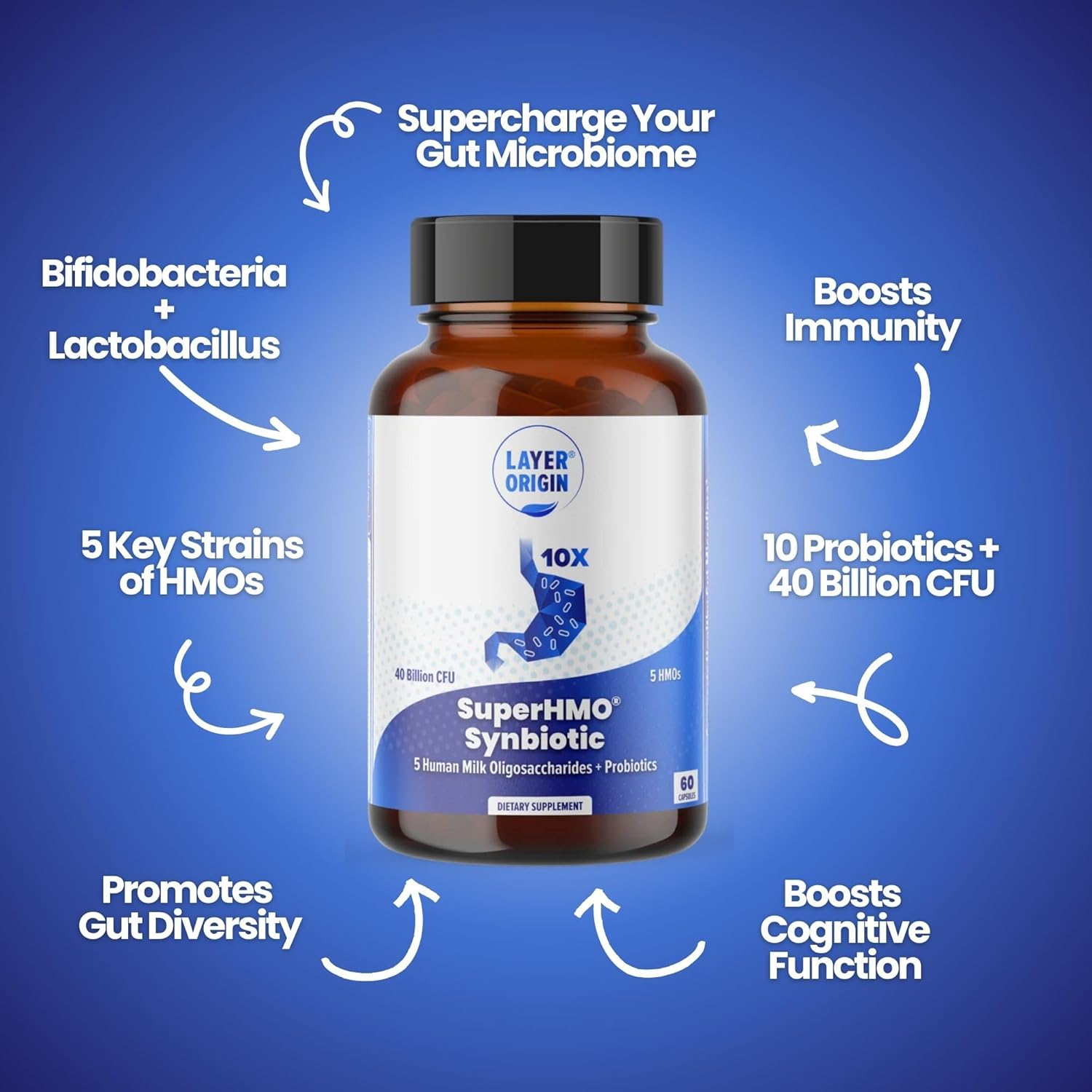
Layer Origins
"Feel better almost immediately I have dysbiosis that has led to SIBO, systemic inflammation, dermatological and joint related issues. On bad flares I get intense joint inflammation and pain to the point of feeling as if I’ve had arthritis for fifty years. Taking this product for just two or three days reverses the inflammation to where I honestly can’t even feel it and my SIBO gas is reduced significantly. This stuff does not make me feel bloated and I can barely tell it is in my shaker" J.
Source:
Prebiotic Potential of Herbal Medicines Used in Digestive Health and Disease
* They discovered that mice fed L. casei in milk exhibited fewer symptoms of IBD than did mice fed milk alone or the same probiotic strain in a nonfood supplement format. They also demonstrated that mutant forms of L. casei, which were unable to produce certain milk-based proteins, were unable to prevent the disease, further underscoring the importance of the dairy-based delivery system for this probiotic.
*Note, this research was preliminary and has been further developed and confirmed since the date of this publication.
AMAZON AFFILIATE SITE: As an Amazon Associate I earn from qualifying purchases.
The fundamental importance of the proper establishment of the microbiome in mammals for immune system development, cognitive health, nutrition and homeostasis for the prevention of chronic inflammatory immune disorders including Type 1 and Type 2 diabetes.

Immune For Life
Forgotten factors for life and health that are shaping the future of drugs and food.
Journey to a healthier lifestyle

Immune For Life
M. Ferrari
After decades of chronic health conditions and serious gut issues like IBS and SIBO, immune deficiencies and an autoimmune condition discover how I recovered my health thanks to natural oral immune therapeutics (maf and gcmaf). Due to a premature birth and being formula fed, I was a SAM child in real life. My book is a step by step journey you won't want to miss that illustrates how to regain or maintain health for all ages.