
The majority of the content on this site contains milk based product info. Patients with galactosemia or other conditions that do not allow milk should avoid all content.
Naturally Immune For Life NEW 2026
Nature’s Microbiome Blueprint for Health and Longevity
What if many chronic immune-mediated diseases begin with a disrupted gut microbiome?
The Foundations of Lifelong Health
According to the World Health Organization (WHO), the greatest risks to lifelong health begin during the earliest stages of life. The absence of breastfeeding, unsafe water and sanitation, food insecurity, childhood infections, and further malnutrition disrupt the normal development of the infant gut microbiome and immune system. This condition is known as SAM (severe acute malnutrition) and it led to a major worldwide public health initiative in 2017 known as the Millennium Goal. These early-life factors increase the risk of infectious disease in childhood while also contributing to obesity, allergies, autoimmune disorders, metabolic disease, and other chronic conditions later in life.
Malnutrition is the leading cause of death worldwide in children under the age of five, and is the focus of the first World Health Organization (WHO) Millennium Development Goal.
- breastfeeding
- food
- and water security
are major protective factors against malnutrition and critical factors in the maturation of healthy gut microbiota, characterized by a transient bifidobacterial bloom before a global rise in anaerobes. Early depletion in gut Bifidobacterium longum, a typical maternal probiotic, known to inhibit pathogens, represents the first step in gut microbiota alteration associated with severe acute malnutrition (SAM). Later, the absence of the Healthy Mature Anaerobic Gut Microbiota (HMAGM) leads to deficient energy harvest, vitamin biosynthesis and immune protection, and is associated with diarrhea, malabsorption and systemic invasion by microbial pathogens. A therapeutic diet and infection treatment may be unable to restore bifidobacteria and HMAGM. Besides refeeding and antibiotics, future trials including non-toxic missing microbes and nutrients necessary to restore bifidobacteria and HMAGM, including prebiotics and antioxidants, are warranted in children with severe or refractory disease.
The Father of the Microbiome
Research led by Dr. Jeffrey I. Gordon, often called the father of the microbiome, has shown that improper development of the infant gut microbiome affects far more than growth. Malnutrition during this critical window can impair brain development and immune function, with consequences that follow children throughout their lives. Even after nutritional rehabilitation restores body weight, the gut microbiome often remains developmentally immature, meaning that healthy immune development depends on more than calories alone.
“Perhaps more insidious than slowing growth is malnutrition’s effect on less visible aspects of health, including impaired brain development and dysfunctional immunity, which follow these children throughout their lives”.
Dr. Jeffrey Gordon
Kwashiorkor is a form of acute malnutrition, and it seems to be caused by environmental factors and a lack of protein in the diet. Recently, the team of Prof. Gordon at WUSTL established that the microbiome is one of the causal factors in this disease. “This is one of the few cases in which we have advanced enough to have established a “bad microbiome” to be one of the causal factors of a disease. Granted, it is not the only factor, but it is one of them rather than just a marker of the disease”. (2013)
Bifido Deficit in the US
A major new study published in Nature Portfolio’s journal Communications Biology examined the gut microbiomes of more than 400 infants across the United States and uncovered an alarming trend: many babies are missing key strains of Bifidobacterium bacteria that historically dominated the infant gut microbiome. Researchers believe this widespread bifidobacterial deficit in the United States and increasingly across industrialized countries is contributing to rising chronic inflammatory conditions later in childhood such as allergies, eczema and asthma by driving prevalent dysbiosis. (2025)
Chronic Dysbiosis
Gut microbiota dysbiosis is caused by a variety of mechanisms including improper infant gut development from formula feeding, microbiome imbalance, immune dysregulation, proinflammatory mechanisms, and metabolic activities.
Dysbiosis leads to various T cell-related diseases, including:
- rheumatoid arthritis (RA)
- type 1 and type 2 diabetes,
- asthma
- cardiovascular disease
- inflammatory bowel disease (IBD)(IBD is now an umbrella term encompassing a variety of inflammatory gut related disorders)
- cancer
- liver disease
- psychiatric disorders
The World Health Organization recognizes breastfeeding, adequate nutrition, clean water, sanitation, and food security as the primary interventions for establishing a healthy start in life. Breast milk provides not only essential nutrients but also human milk oligosaccharides (HMOs), specialized carbohydrates that nourish beneficial bacteria such as Bifidobacterium longum subsp. infantis. Together, these early-life factors help educate the developing immune system, strengthen the intestinal barrier, and establish immune tolerance.
The Elderly
Mammal milk is required for enhanced phagocytosis as shown by research, especially in the elderly. Whole fat mammal milk can actually restore phagocytosis in senescent cells in the elderly. Phagocytosis, by which immune cells ‘eat’ bacteria or infected cells, is one of the mechanisms that help to resist infections. Lactic acid bacteria strains like acidophilus also increases phagocytosis. Research has shown lifelong benefits from a healthy microbiome.
The role of Bifidobacterium in longevity
A recent scientific review examining Bifidobacterium and aging analyzed studies from Japan, China, and other regions to better understand how these bacteria change throughout the human lifespan and why they may be linked to healthy aging. The findings suggest that maintaining beneficial Bifidobacterium populations may play a critical role in preserving immune function, digestion, metabolic balance, and overall health during aging.
One of the largest studies discussed in the review came from Japan in 2017. Researchers examined 441 healthy individuals ranging from newborns to centenarians in order to track how Bifidobacterium species shift over time. The study found that Bifidobacterium longum remained the dominant species throughout life, with detection rates of nearly 88% across all age groups. This suggests that B. longum may be one of the core microbial species supporting human gut health from infancy through extreme old age.
Naturally Immune For Life
Naturally Immune For Life explores the science behind these foundational biological systems and natural oral immune therapeutics. By understanding how nutrition, the gut microbiome, and immune development interact during infancy, we can better appreciate why supporting these same biological pathways throughout life may help promote resilience, reduce chronic inflammation, and support long-term health.
A Landmark Discovery: HMOs Directly Regulate Human Immune Cells
“In the present study, we show for the first time that HMOs modulate human moDCs in a microbiota-independent way.”
In the past decades, there has been a growing appreciation that breast milk beneficially supports the innate immune system and modulates microbiota composition during the first months of life. Breastfeeding is known to reduce the risk of inflammatory diseases, infectious diseases, asthma and allergic disease, as well as autoimmune diseases. The developing immune system must learn one of its most important lessons: how to distinguish harmless substances from genuine threats. This process, known as immune tolerance, is essential for preventing excessive inflammation, allergies, and autoimmune disease throughout life…..
A Landmark Discovery: HMOs Directly Regulate Human Immune Cells
In 2005, only 10% of children in the US were breastfed. Only 40% of the world’s children were breastfed in 2005.
Infant Formula Statistics
Worldwide, 59% of children receive formula milk instead of breast milk during their first year of life…..
highlighting the potential impact of formula feeding as a risk factor for highly complex necrotizing enterocolitis (NEC), one of the most severe diseases for which mortality rates have shown limited improvement over recent decades.
Although the WHO discourages bottle feeding, formula milk consumption remains common worldwide. In contrast, mother’s milk reduces the risk of NEC by factors of 6–10, as demonstrated in a multicenter cohort study of low-birth-weight infants.
The increasing global prevalence of inflammatory diseases, such as ulcerative colitis and irritable bowel syndrome, represents a challenging task for healthcare systems. Several approaches to disease management target the intestinal microbiome, which plays a key role in health and disease. One promising approach is modulating the microbiome using human milk oligosaccharides (HMOs).
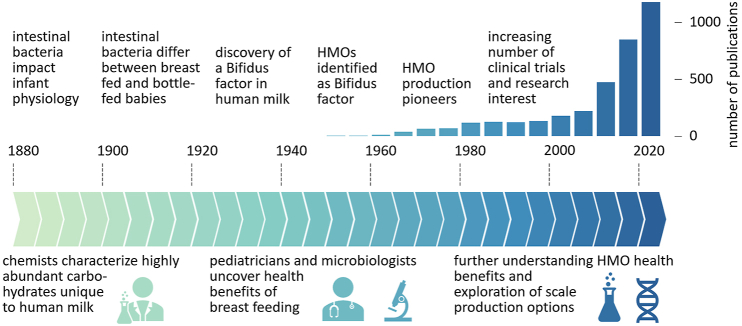
According to pediatricians, breastfeeding benefits were well established by 1870
Class; mammal; taxonomic group, common characteristics; mammary glands, hair/fur, and being warm-blooded.
World Health Organization, UNICEF
By 2016, over 135 countries had implemented parts of the original WHO Code into national legislation to ban public infant formula advertising.
A new report issued by the World Health Organization, UNICEF, and the International Baby Food Action Network calls for a ban on the promotion of baby formula around the world. According to the report’s findings, only 39 countries have fully implemented the WHO’s International Code of Marketing of Breast-milk Substitutes, which bans the advertising, marketing and promotion of baby formula. Of the 194 countries surveyed, 135 have placed restrictions on the advertisement of baby formula, an increase from the 103 reported in the 2011 study. Israel, which is set to participate in the organization’s annual conference in two weeks’ time, has yet to fully implement the code’s recommendations.
The WHO recommends that mothers breast-feed exclusively for the first six months of life, at which point they should feed their babies complementary solid foods in addition to breast milk until the age of two and beyond.
The WHO code bans any form of promotion of baby formula, including the advertising and the distribution of gifts or free samples. Manufacturers are instructed not to champion the health benefits or depict images that idealize the use of baby formula.
World Health Organization renews call for ban on baby formula advertising
Where are we today?
Although the WHO discourages bottle milk feeding, the worldwide prevalence of 59% in children receiving formula milk instead of breast milk in their first year of life illustrates the potential impact of this risk factor. In contrast to formula milk, mother’s milk reduces the risk of NEC by factors 6–10, as shown in a multicenter cohort study of low-birth-weight infants. In animal models, this effect has been attributed to HMOs and extracellular vesicles in human milk. Pathogens are highly relevant for many severe conditions, such as infectious diarrhea, respiratory tract infections, and sepsis, which manifest in early childhood. In addition, diarrhea is the result of pathogens adhering to the mucosal, with subsequent dissemination, colonization, and invasion (for example, E. coli, Helicobacter jejuni, Shigella strains, Vibrio cholerae, and Salmonella species).
Child-feeding practices, particularly breastfeeding, significantly impact children’s health and survival. However, bottle feeding, although historically practiced, presents numerous disadvantages affecting optimal child nutrition and health. Despite World Health Organisation and The United Nations Children’s Fund recommendations against bottle feeding, it remains prevalent globally, affecting roughly 59% of infants worldwide and 85% in Australia by 5 months of age.
Getachew, D., Getachew, E., Yirsaw, A.N., Ayele, H.S., Andargie, G.A., Lakew, A.A., Tareke, A.A., Zeru, N.S. and Lakew, G. (2024), Prevalence of Bottle-Feeding Practice and Associated Factors Among Mothers of Children Under Five in the World, 2024: Systematic Review and Meta-Analysis. Reproductive, Female and Child Health, 3: e70002. https://doi.org/10.1002/rfc2.70002
Historically leading nations with high exclusive breastfeeding rates include countries like Rwanda, Burundi, and Sri Lanka, which record rates exceeding 80%.
Rates vary widely—for instance, exclusive breastfeeding under six months sits at 43% in Latin America and the Caribbean, but drops to 27% in North America.
Of the 106 countries that have updated their data on exclusive breastfeeding since 2017 when the Global Breastfeeding Scorecard was first published, 75 countries reported an increase in breastfeeding rates. Notably, 23 of these countries saw an increase of more than 10 percentage points. While this progress is commendable, 29 countries experienced declines in breastfeeding rates during this time, with six of them recording decreases of over 10 percentage points.
GLOBAL BREASTFEEDING SCORECARD 2024
More info:
Milk: a postnatal imprinting system stabilizing FoxP3 expression and regulatory T cell differentiation. Accumulating evidence underlines that milk is a complex signaling and epigenetic imprinting network that promotes stable FoxP3 expression and long-lasting Treg differentiation, crucial postnatal events preventing atopic and autoimmune diseases.
Clin Transl Allergy. 2016 May 12;6:18. doi: 10.1186/
s13601-016-0108-9. eCollection 2016
About galactose, an essential sugar….
Galactose is a vital monosaccharide that acts as a primary building block for cell-surface sugars (glycans). Without galactose, proper glycosylation cannot occur, meaning the immune system fails to produce the surface markers needed to recognize self-tissue, leading to a loss of immune tolerance and an inability to dampen autoimmune responses.
Why galactose? Milk sugar aka lactose has been shown to be very beneficial for the human body though unlike sucrose, lactose is made up of glucose and galactose. There is no fructose in lactose. It is a healthy disaccharide sugar. Galactose is known as the “brain sugar” and supports brain development of babies and children. Galactose helps trigger long-term memory formation. Galactose has been shown to inhibit tumor growth and stop its spread, particularly to the liver. This beneficial sugar can also enhance wound healing, decrease inflammation and it enhances cellular communication, and can increase calcium absorption.
Galactose is absorbed from the intestine and transported primarily to the liver, where it enters the Leloir pathway and is converted into glucose-1-phosphate before being used for energy or stored as glycogen. This process is largely insulin-independent.
Individuals with the rare genetic disorder Classic galactosemia must avoid galactose because they cannot metabolize it properly.
What is tolerance?
Tolerance is the ability of the immune system to ‘see’ and respond appropriately. Without galactose (a necessary sugar) the immune system can not ‘see’. Your immune system would not be able to function without galactose. Your body wouldn’t know which cells are “good” and what cells are “bad.” Your body wouldn’t know who the invaders were and which ones should be attacked by antibodies.
‘Peripheral immune tolerance’ relies on unique subset of immune cells – Regulatory T cells (Tregs) – which differ fundamentally from most immune cells that typically promote inflammation. In contrast, Tregs suppress immune activation, maintain immune homeostasis, and prevent immune-mediated tissue destruction. Without Tregs, the immune system fails to regulate itself, leading to catastrophic multi-organ autoimmunity. In contrast, immune tolerance, or immunological tolerance, or immunotolerance, is a state of unresponsiveness of the immune system to substances or tissue that have the capacity to elicit an immune response in a given organism and relies on appropriate macrophage activation. The key is the amazing ability of the healthy immune system to ‘see’, respond appropriately, and maintain homeostasis.
Why Galactose is Critical for Immune Tolerance
To understand immune tolerance, it helps to look at how the immune system “sees” the body and forms an appropriate response.
Glycosylation: Galactose is an essential structural component required to build the complex sugar chains that attach to proteins and lipids (glycoproteins and glycolipids).
Self-Recognition: Immune cells use these galactose-containing glycoproteins (like specific antibodies and cell receptors) as passports. Without galactose to complete these chains, the immune system cannot properly read these “self” markers.
Receptor Interaction: Immune tolerance often relies on anti-inflammatory receptors called galectins, which specifically bind to galactose-containing glycans on the surface of immune cells. When these receptors recognize the right galactose structures, they send signals that suppress overactive inflammation and induce tolerance.
How Galactose Forms Human Milk Oligosaccharides (HMOs)
Human milk oligosaccharides (HMOs) are unique, complex, non-digestible sugars found in breast milk that act as prebiotics and immune modulators.
Galactose is the foundational building block for all HMOs.
The Lactose Core: Every HMO is built on a foundation of lactose, which is a disaccharide made of one glucose molecule and one galactose molecule.
Elongation: Specific enzymes in the mammary gland (glycosyltransferases) add additional sugar units—including more galactose and \(N\)-acetylglucosamine (GlcNAc)—to this lactose core.
Branching & Decoration: To create the vast diversity of HMO structures, these elongating chains can be further decorated with fucose and sialic acid molecules, both of which utilize galactose to anchor onto the growing sugar structure.
Remember human studies or infant studies can not be ethically done regarding the development of a human microbiome and immune system. In some rare instances specific formulas can be tried on premature infants in order to improve their chances of survival.
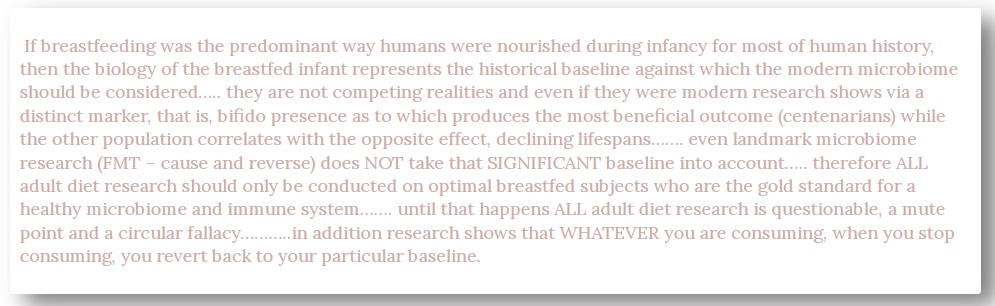
Research on the modern microbiome consistently reveals two effects, adiposity or malnourishment…..
Source:
WHO
- Breastfeeding,
- food (security)
- and water security (sanitation)
are major protective factors against malnutrition and critical factors in the maturation of healthy gut microbiota, characterized by a transient bifidobacterial bloom before a global rise in anaerobes. Early depletion in gut Bifidobacterium longum, a typical maternal probiotic, known to inhibit pathogens, represents the first step in gut microbiota alteration associated with severe acute malnutrition (SAM). Later, the absence of the Healthy Mature Anaerobic Gut Microbiota (HMAGM) leads to deficient energy harvest, vitamin biosynthesis and immune protection, and is associated with diarrhea, malabsorption and systemic invasion by microbial pathogens. A therapeutic diet and infection treatment may be unable to restore bifidobacteria and HMAGM.
Gut microbiota and malnutrition
Worldwide, 59% of children receive formula milk instead of breast milk during their first year of life, highlighting the potential impact of formula feeding as a risk factor for highly complex necrotizing enterocolitis (NEC), one of the most severe diseases for which mortality rates have shown limited improvement over recent decades. Although the WHO discourages bottle feeding, formula milk consumption remains common worldwide. In contrast, mother’s milk reduces the risk of NEC by factors of 6–10, as demonstrated in a multicenter cohort study of low-birth-weight infants.
The increasing global prevalence of inflammatory diseases, such as ulcerative colitis and irritable bowel syndrome, represents a challenging task for healthcare systems. Several approaches to disease management target the intestinal microbiome, which plays a key role in health and disease. One promising approach is modulating the microbiome using human milk oligosaccharides (HMOs).
The resulting economic burden is substantial, with estimates for annual direct healthcare costs in Europe ranging from €900 to €2100 [6] per patient with IBS and annual direct healthcare costs ranging from €2000 to €3500 per patient with ulcerative colitis or Crohn’s disease, respectively.
We further explored this association and demonstrated that the microbiome has a causative component in ulcerative colitis, which is a noncommunicable disease. This complex disease is influenced by many factors; we were able to transfer the phenotype of ulcerative colitis via the gut microbiome from diseased to healthy individuals in a mouse model. Current knowledge suggests a more complex scenario, which includes not only the microbiome and its direct effects on gut functions but also the bidirectional interaction between the host and its microbiome, which results in a balanced system in healthy individuals.
Orally administered medicine:
The WHO recommends that immunization or treatment be orally administered due to economic, logistical and security reasons. Furthermore, this route offers important advantages over systemic administration, such as reducing side effects, as the molecules are administered locally and have the ability to stimulate the GALT immune responses.
WHO (Levine and Dougan, 1998; Neutra and Kozlowski, 2006; Bermúdez-Humarán et al., 2011).
Currently available treatments for IBD, which target the systemic immune system, induce immunosuppression, thereby exposing the patient to the risk of infections and malignancy.
A dysfunctional autophagic mechanism leads to chronic intestinal inflammation in IBD.
Both gut microbiota and food-derived antigens alter intestinal DCs function, and contribute to a loss of tolerance and to induction and progression of IBD.19 In patients with IBD, the tolerance/immunity balance is disturbed, leading to chronic intestinal inflammation driven by aberrant T-cell reactivity to intestinal bacteria. Tolerogenic DCs act by promoting differentiation and expansion of Tregs that efficiently modulate gut inflammation, and they are disturbed in IBD.
The lamina propria constitutes an effector site that actively influences Tregs-cell function. Tregs must be in the proximity of their target cells within lymphoid organs and the lamina propria in the intestine. Foxp3(+) Tregs maintain immune balance in the gut via IL-10- and TGF-β-dependent mechanisms. Their differentiation and function are modulated by intestinal microbiota. Inflammation in IBD is mediated by inappropriate production of pro-inflammatory cytokines by CD4+ T-effector cells, which are not suppressed by Tregs. Activation of Tregs inhibits the inflammatory response to commensal bacteria and is central for mucosal tolerance. Loss of this mechanism leads to inappropriate immune reactivity toward commensal organisms, contributing to mucosal inflammation in IBD.
Th17 cells infiltrate the intestine of IBD patients, producing IL-17 and amplifying the inflammatory process. Th17 can be converted into either IFN-γ-producing Th1 cells or Tregs. Antigen presenting cells mediate differentiation of naive T cells into effector T-helper cells, including Th1, Th2 and Th17, and can alter gut homeostasis leading to IBD.
Macrophages functions change during infection and inflammation. The intestinal macrophage pool requires continual renewal from circulating blood monocytes, unlike most other tissue macrophages, which derive from primitive precursors that subsequently self-renew. Macrophages in the gut have a role in Tregs function. As regulatory cells in the gut, macrophages also have a role in the pathogenesis of IBD.
The function of both T and B cells is required for proper interplay between the gut and the systemic immune systems. Plasticity of CD4+ helper T cells is important for the correct function of the gut immune system.
Dysbiosis and alterations in the intestinal microbiome are associated with IBD. Gut microbes can induce and sustain the disease. The loss of normal tolerance to intestinal microbiota and/or to food or environment-derived antigens leads to mucosal damage.
On the basis of the above, fecal transplantation was developed as a mean for the treatment of IBD.
Taken together, these studies suggest that each of the components of the gut immune system is pertinent for the induction and/or progression of IBD. Most of these subsets of cells are involved directly or indirectly in the signaling between the gut and the systemic immune systems, a process that is relevant for the generation and maintenance of the inflammatory process in IBD. Therefore, oral immune therapy, which affects these types of signals between the gut and the systemic immune systems, may aim at several of these targets.
Gastroenterology and Liver Units, Department of Medicine, Hebrew University-Hadassah Medical Center, Jerusalem, Israel
Clinical & Translational Immunology (2016)
Kwashiorkor
Kwashiorkor is a form of acute malnutrition, and it seems to be caused by environmental factors and a lack of protein in the diet. Recently, the team of Prof. Gordon at WUSTL established that the microbiome is one of the causal factors in this disease. This is one of the few cases in which we have advanced enough to have established a “bad microbiome” to be one of the causal factors of a disease. Granted, it is not the only factor, but it is one of them rather than just a marker of the disease. NIH’s medline on Kwashiorkor Smith et al., 2014, Gut microbiome of Malawian twin pairs discordant for kwashiorkor.
Abstract: Kwashiorkor, an enigmatic form of severe acute malnutrition, is the consequence of inadequate nutrient intake plus additional environmental insults. To investigate the role of the gut microbiome, we studied 317 Malawian twin pairs during the first 3 years of life. During this time, half of the twin pairs remained well nourished, whereas 43% became discordant, and 7% manifested concordance for acute malnutrition. Both children in twin pairs discordant for kwashiorkor were treated with a peanut-based, ready-to-use therapeutic food (RUTF). Time-series metagenomic studies revealed that RUTF produced a transient maturation of metabolic functions in kwashiorkor gut microbiomes that regressed when administration of RUTF was stopped. Previously frozen fecal communities from several discordant pairs were each transplanted into gnotobiotic mice. The combination of Malawian diet and kwashiorkor microbiome produced marked weight loss in recipient mice, accompanied by perturbations in amino acid, carbohydrate, and intermediary metabolism that were only transiently ameliorated with RUTF.
Gut Microbiomes of Malawian Twin Pairs Discordant for Kwashiorkor
Since the evolution of the mammalian birthing process must be adaptive, its disruption may prevent natural development of the neonatal microbiome and increase neonates’ long-term risk of metabolic and immune diseases. In light of this, elevated rates of C-section delivery, pre- and perinatal antibiotic use and formula feeding underscore the importance of promoting vaginal delivery and more conservative….
Vaginal delivery and breastfeeding are evolutionarily adaptive for mammals and therefore are paramount to human newborn development and health. Common perinatal interventions like C-section, antibiotic use, and formula feeding alter the infant microbiome and may be major factors shaping a new microbiome landscape in human history. While mechanistic questions remain, epidemiological evidence suggests that these impacts on the early microbiome assembly are associated with metabolic and immune disorders.
The infant microbiome development: mom matters
The Risks of Not Breastfeeding for Mothers and Infants
Immune Tolerance aka Checkpoint Blockade Toxicity
Immune tolerance, or immunological tolerance, or immunotolerance, is a state of unresponsiveness of the immune system to substances or tissue that have the capacity to elicit an immune response in a given organism. The Th1 cytokine profile is vital for clearance of certain organisms and ancillary immune activity, and a limiting effect on this cytokine profile may result in reduced chances for overcoming infections especially intra-cellular organisms residing within macrophages. Effective clearance will depend on appropriate macrophage activation (which occurs through IFN≥ release by Th1 and NK cells) and production of nitric oxide. If this pathway is disrupted IFN≥ secretion is blocked, impairing macrophage activation. Persistent blockade of these inhibitory receptors has lead to the breakdown in immune self tolerance, thereby increasing susceptibility to autoimmune or auto-inflammatory side effects, including rash, colitis, hepatitis and endocrinopathies. Many drugs may cause checkpoint blockade toxicity including pharmaceutical drugs termed ‘immuno therapy’ by pharmaceutical companies, these include Mab drugs and cancer treatments.
Checkpoint Inhibitor–Induced Colitis: A New Type of Inflammatory Bowel Disease? Madeline Bertha, MD MS, corresponding author1 Emanuelle Bellaguara, MD, Timothy Kuzel, MD, and Stephen Hanauer, MD ACG Case Rep J. 2017; 4: e112. Published online 2017 Oct 11. doi: 10.14309/crj.2017.112 PMCID: PMC5636906 PMID: 29043290
Checkpoint Inhibitor-Induced Colitis: A New Type of Inflammatory Bowel Disease
Dysbiosis & FMT
Gut microbiota dysbiosis is caused by a variety of mechanisms including improper infant gut development from formula feeding, microbiome imbalance, immune dysregulation, proinflammatory mechanisms, and metabolic activities.
Dysbiosis leads to various T cell-related diseases, including:
- rheumatoid arthritis (RA)
- type 1 and type 2 diabetes,
- asthma
- cardiovascular disease
- inflammatory bowel disease (IBD)(IBD is now an umbrella term encompassing a variety of inflammatory gut related disorders)
- cancer
- liver disease
- psychiatric disorders
Current Research Limitations
Despite the importance of understanding microbiome-T cell interactions, most immunology experiments have been performed with limited microbiome composition such as specific pathogen free (SPF) or germ free (GF) mice. Experimental results using gnotobiotic, that is specific colonized mouse models in the drug development stage cannot fully represent humans. To address these limitations, a fecal microbiota transplant (FMT) mouse model with a gut microbiota similar to that of humans was developed using human or wild mouse feces. The FMT mouse model has an abundant and more diverse gut microbiome than current experimental animal models. Mice implanted with the wild mouse or human microbiota not only exhibit different degrees of microbial diversity but their systemic immunity is also affected.
Microbiota Plays Critical Role in Immune Disorders
The need to shed light on the unknown aspects of pathophysiology of common disorders, such as gastrointestinal ones, has led researchers through last decades to study and define the role of microorganisms within the human intestine and their interactions with the host. The progress of technology has permitted the overcoming of culture-based methods to study microbes and paved the way to molecular techniques, which allow the analysis of microbial genome, microbial functions, and metabolism. These progresses opened a window on the world of microbiology and permitted to deepen into the key role played by gut microbiota and dysbiosis in health status and diseases, both gastrointestinal and extraintestinal. So, scientists focused their attention in developing new strategies to restore eubiosis and to manipulate gut microbes by modifying dietary habits, administrating antibiotics, probiotics, and prebiotics and using fecal microbiota transplantation as treatment of gastrointestinal, infectious, cardiovascular, metabolic, immune-mediated, neuro-psychiatric, and oncological disorders. The next challenges will be to elaborate standard protocols with definite outcomes predictors in disease-specific settings.
From Regular Catharsis with Castor Oil to Recognizing the Importance of the Intestinal Microbiota
Milk: a postnatal imprinting system stabilizing FoxP3 expression and regulatory T cell differentiation. Accumulating evidence underlines that milk is a complex signaling and epigenetic imprinting network that promotes stable FoxP3 expression and long-lasting Treg differentiation, crucial postnatal events preventing atopic and autoimmune diseases.
Clin Transl Allergy. 2016 May 12;6:18. doi: 10.1186/
s13601-016-0108-9. eCollection 2016
A major new study published in Nature Portfolio’s journal Communications Biology examined the gut microbiomes of more than 400 infants across the United States and uncovered an alarming trend: many babies are missing key strains of Bifidobacterium bacteria that historically dominated the infant gut microbiome. Researchers believe this widespread bifidobacterial deficit in the United States and increasingly across industrialized countries is contributing to rising chronic inflammatory conditions later in childhood such as allergies, eczema and asthma by driving prevalent dysbiosis.
2025
Bifidobacterium deficit in United States infants drives prevalent gut dysbiosis
World Health Organization, UNICEF
A new report issued by the World Health Organization, UNICEF, and the International Baby Food Action Network calls for a ban on the promotion of baby formula around the world. According to the report’s findings, only 39 countries have fully implemented the WHO’s International Code of Marketing of Breast-milk Substitutes, which bans the advertising, marketing and promotion of baby formula. Of the 194 countries surveyed, 135 have placed restrictions on the advertisement of baby formula, an increase from the 103 reported in the 2011 study. Israel, which is set to participate in the organization’s annual conference in two weeks’ time, has yet to fully implement the code’s recommendations.
The WHO recommends that mothers breast-feed exclusively for the first six months of life, at which point they should feed their babies complementary solid foods in addition to breast milk until the age of two and beyond. The WHO code bans any form of promotion of baby formula, including the advertising and the distribution of gifts or free samples. Manufacturers are instructed not to champion the health benefits or depict images that idealize the use of baby formula.
World Health Organization renews call for ban on baby formula advertising
2018
Fourteen peer-reviewed studies published between 1926 and 2017 and reporting measurements from healthy, breastfed infants were found and included. A least squares linear regression model revealed a strong positive trend with a high association between the publication year and fecal pH These data suggest that the mean fecal pH of breastfed infants has increased from about 5.0 in 1926 to 6.5 in recent years. Given our previous finding linking fecal pH to Bifidobacterium abundance and reported differences in Bifidobacterium abundance across populations today, this longitudinal change is consistent with a generational loss of Bifidobacterium in developed countries, most notably among infants born after 1980. FACTORS LEADING TO THIS CHANGE IN INFANT FECAL pH The absence of Bifidobacterium as a keystone symbiont in infants may explain the increase in fecal pH and can be linked to unintended historical and generational consequences of certain interventions that have otherwise significantly improved infant and maternal health. First, a rapid increase in the use of human milk replacers (e.g., evaporated milk and infant formula), which lack the bacterial selectivity of human milk, beginning in the 1920s may have resulted in the inability to foster high levels of specialized infant-associated Bifidobacterium in the infant gut among non breastfed infants. This may also explain why B. infantis, which is highly specialized for the consumption of HMOs, is now exceptionally rare among infants in the United States and Europe, whereas B. longum and B. breve, which can access mucin glycans and plant
carbohydrates, remain relatively abundant. Second, increased caesarean section delivery since the 1980s further limits the natural fecal-oral transfer of Bifidobacterium from mother to infant associated with vaginal delivery. Third, antibiotic use has become increasingly common during labor and many infant-associated species of bifidobacteria are sensitive to antibiotics. For example, the use of antibiotics to prevent the transmission of group B Streptococcus during delivery and the use of caesarean section as the mode of delivery are both critically important interventions in public health but can alter the acquisition of gut microbes by the infant that begins at birth. Together, these barriers may have played a role in the loss of Bifidobacterium over time and across generations, which is reflected in a higher fecal pH.
ARE THERE HEALTH IMPLICATIONS TO THIS CHANGE?
There is clear evidence that the infant gut microbiome has important long-term health implications, and perturbations of the microbiome composition may lead to chronic inflammation and immune-mediated diseases. These data highlight an increase in infant intestinal dysbiosis. Thus, the loss of Bifidobacterium and the profound change in the gut environment, as measured by fecal pH, present a compelling explanation for the increased incidence of allergic and autoimmune diseases observed in resource-rich nations. Longitudinal analyses studies comparing the incidence of autoimmune disorders with restored Bifidobacterium populations in the infant gut microbiome are essential to establish the role of Bifidobacterium in early immune development in the infant gut.
The 2025 Nobel Prize in Physiology or Medicine has been awarded to Mary Brunkow, Fred Ramsdell, and Shimon Sakaguchi ‘for their discoveries concerning peripheral immune tolerance’. The award honours the discovery of a unique subset of immune cells – Regulatory T cells (Tregs) – which differ fundamentally from most immune cells that typically promote inflammation. In contrast, Tregs suppress immune activation, maintain immune homeostasis, and prevent immune-mediated tissue destruction. Without Tregs, the immune system fails to regulate itself, leading to catastrophic multi-organ autoimmunity.
Regulatory T cells: the 2025 Nobel prize in physiology or medicine
A recent scientific review examining Bifidobacterium and aging analyzed studies from Japan, China, and other regions to better understand how these bacteria change throughout the human lifespan and why they may be linked to healthy aging. The findings suggest that maintaining beneficial Bifidobacterium populations may play a critical role in preserving immune function, digestion, metabolic balance, and overall health during aging.
One of the largest studies discussed in the review came from Japan in 2017. Researchers examined 441 healthy individuals ranging from newborns to centenarians in order to track how Bifidobacterium species shift over time. The study found that Bifidobacterium longum remained the dominant species throughout life, with detection rates of nearly 88% across all age groups. This suggests that B. longum may be one of the core microbial species supporting human gut health from infancy through extreme old age.
The role of Bifidobacterium in longevity and the future of probiotics
In a new study, researchers find alterations in gut bacteria and blood bile acids of women with fibromyalgia associated with the severity of their symptoms, and identify a biological signature that could facilitate diagnosis.
Montreal, July 12, 2022 – Affecting up to four per cent of the population and mostly women, fibromyalgia is a syndrome that causes pain, fatigue and cognitive issues. Poorly understood, the condition has no cure and is difficult to diagnose. Now, thanks to the work of a team of scientists from the Research Institute of the McGill University Health Centre (RI-MUHC), McGill University, Université de Montréal and the Institute for Pain Medicine at Rambam Health Care Campus in Haifa, Israel, there is hope on the horizon.
After showing for the first time, in 2019, that fibromyalgia was linked to alterations in the gut microbiome, this team of researchers has taken a major step towards better understanding the association between gut bacteria and the syndrome.
Naturally Immune For Life NEW 2026
Nature’s Microbiome Blueprint for Health and Longevity
What if many chronic immune-mediated diseases begin with a disrupted gut microbiome?