Gut Microbiota in Metabolic Diseases
by Mary Ferrari
Introduction
The human gastrointestinal tract is home to a complex ecosystem of microorganisms known as the gut microbiome. This community includes bacteria, viruses, fungi, and other microbes that coexist with the human host in a symbiotic relationship. The gut microbiome contains a gene pool that far exceeds that of the human genome, accentuating its immense biological potential.
Over the past two decades, advances in technologies have transformed understanding of the microbiome and its role in health and disease. Once thought to function primarily in digestion, the gut microbiome is now recognized as a critical regulator of metabolic processes, immune function, and systemic inflammation. These discoveries have led to increasing interest in the microbiome’s role in metabolic diseases, particularly obesity and type 2 diabetes.
Metabolic diseases are characterized by disruptions in the body’s ability to regulate energy balance, glucose metabolism, and lipid storage. Increasing evidence reveals that alterations in the composition and function of the gut microbiome may contribute to the development and progression of these conditions.
Gut Microbiome Composition
The composition of the gut microbiome is dynamic and influenced by a combination of host-specific and environmental factors.
Host-Related Factors
Genetic background plays a role in shaping the microbiome, although its influence is modest compared to environmental inputs.
The immune system is another determinant. It maintains an intricate balance by tolerating beneficial microbes while limiting the growth of harmful organisms. Disruptions in immune regulation can lead to microbial imbalances known as dysbiosis.
Age is also a critical factor. The microbiome develops rapidly during infancy, stabilizes during adulthood and declines in diversity with aging. These shifts have important implications for metabolic and immune health.
Environmental and Lifestyle Factors
Among external influences, diet is the most significant modulator of the gut microbiome including the infant diet. Long-term dietary patterns can shape microbial communities. Diets rich in fiber promote the proliferation of bacteria that produce beneficial metabolites, while diets high in fat and refined sugars are often associated with reduced microbial diversity.
Antibiotic use represents another major disruptor leading to long-term alterations in microbiome composition.
Other factors such as physical activity, stress, and exposure to environmental toxins may also influence microbial diversity and function, although these relationships are not well understood.
Gut Microbiome and Obesity
Obesity is one of the most extensively studied conditions in microbiome research. Early studies identified differences in the relative abundance of major bacterial groups in lean versus obese individuals revealing that microbial composition may influence energy balance.
One proposed mechanism involves the microbiome’s capacity to extract energy from the diet. Certain microbial communities are more efficient at breaking down complex carbohydrates into absorbable compounds, thereby increasing availability. This enhanced energy harvest may contribute to weight gain over time.
In addition to energy extraction, the microbiome can influence host metabolism through signaling pathways that regulate fat storage.
The gut microbiome has also been implicated in the regulation of appetite and satiety. Through interactions with the gut-brain axis, microbial signals can influence hunger hormones and neural pathways involved in food intake.
Gut Microbiome and Type 2 Diabetes
Type 2 diabetes is characterized by impaired glucose metabolism and insulin resistance. Increasing evidence suggests that the gut microbiome plays a role in both the onset and progression of this condition.
Individuals with type 2 diabetes commonly exhibit reduced microbial diversity and altered functional profiles. These changes may affect the production of metabolites that influence insulin sensitivity and glucose homeostasis.
An important mechanism involves inflammation. Chronic inflammation is a well-established contributor to insulin resistance.
Type 1 Diabetes
Even though the autoimmune disease type 1 diabetes (T1D) has a known genetic risk factor involving mutation in the human leukocyte antigen genes, the recent rise in incidence of this disease points to environmental factors playing an increasing role. A study of four children with newly developed T1D and four matched control children found differences in the composition of the gut meta-genome between the groups and reduced diversity in T1D-associated meta-genomes. Studies in non-obese diabetic (NOD) mice have shown that germ-free NOD mice or those housed in specific-pathogen free conditions are more likely to develop diabetes, suggesting that the gut microbiota are involved in the development of autoimmune diabetes. Specifically, a particular species of bacteria was found to protect against autoimmune diabetes in NOD mice. Interestingly, children who progress to develop T1D have a markedly altered serum metabolome that could already be detected in the cord blood.
Functional Contributions of the Microbiome
The gut microbiome exerts influence on host physiology through a range of functional activities mediated by microbial metabolites.
Metabolite Production
One of the most significant contributions of the microbiome is the production of short-chain fatty acids (SCFAs), including acetate, propionate, and butyrate. These compounds are generated through the fermentation of dietary fiber and have beneficial effects.
SCFAs serve as an energy source for intestinal cells, strengthen the gut barrier, and modulate immune responses. They also play a role in regulating glucose and lipid metabolism.
Immune System Modulation
The microbiome is integrated with the host immune system. It helps educate immune cells, promoting tolerance to beneficial microbes while maintaining the ability to respond to pathogens.
Disruptions in microbial balance can lead to immune dysregulation and chronic inflammation. This inflammatory state is a major factor in the development of metabolic disorders.
Host–Microbe Communication
Communication between the microbiome and the host occurs through multiple pathways, including hormonal, neural, and immune signaling. The gut-brain axis is a prime example, linking microbial activity to central nervous system function.
Through these communication networks, the microbiome can influence not only metabolism but also behavior, mood, and cognitive processes.
Studying the Microbiome
Advances in technology have been essential for uncovering the complexity of the gut microbiome. Next-generation sequencing techniques allow researchers to analyze microbial DNA at an unprecedented scale. The vast amount of data generated by sequencing requires sophisticated computational tools. Bioinformatics plays an important role in analyzing and interpreting microbiome data. These approaches help identify potential causal relationships between microbial features and disease states.
Animal models, especially germ-free mice, are widely used to study the microbiome. These models allow researchers to isolate specific variables and investigate causal mechanisms. For example, transferring microbiota from obese individuals to germ-free mice can result in increased fat accumulation, providing evidence for a direct role of the microbiome in obesity.
Despite significant progress, microbiome research faces several challenges. One major issue is distinguishing correlation from causation. While many studies have identified associations between microbial patterns and disease, proving that these microbes directly cause disease is difficult.
Individual variability is another challenge. A person’s microbiome is unique, influenced by a lifetime of environmental exposures and other lifestyle factors. This variability complicates the development of universal treatments. The microbiome is dynamic. Short-term changes in diet or environment can immediately alter microbial composition, making it difficult to draw conclusions.
The field of microbiome research is evolving at a fast pace with promising implications for clinical practice. Personalized medicine is one promising prospect. By analyzing an individual’s microbiome, clinicians may be able to design targeted interventions to improve metabolic health. Therapeutic strategies aimed at modifying the microbiome are also being investigated. These include probiotics, prebiotics, dietary interventions, and fecal microbiota transplantation. As understanding develops, the microbiome may become a central component of strategies for preventing and treating metabolic diseases.
Conclusion
The gut microbiome represents a complex influential component of human biology. Its role extends far beyond digestion, encompassing critical functions in metabolism, immune regulation, and systemic health.
Evidence increasingly supports a link between alterations in the microbiome and metabolic diseases such as obesity, atherosclerosis and diabetes. Ongoing research continues to shed light on the mechanisms underlying these relationships.
Ultimately, a more comprehensive understanding of the gut microbiome may lead to innovative approaches for managing metabolic disease and improving overall health.
NEW HMO Prebiotics
Bovine colostrum, probiotics, yogurt, kefir and whole fat mammal milk offer superior support to combat dysbiosis. New research on human milk sugars, Human Milk Oligosaccharides (HMO’s) help us understand how these “prebiotics” support a healthy gut and strong immunity, starting from birth.
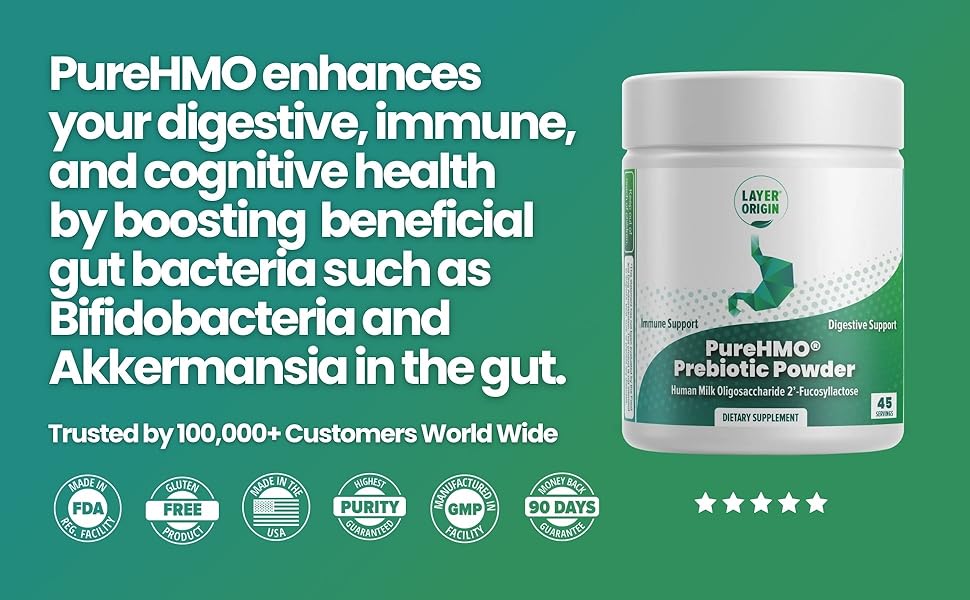
HMO supplements not derived from human breast milk have recently been developed, helping to feed 200 billion beneficial probiotics like bifido per scoop.
PureHMO prebiotic is a high-purity human milk oligosaccharide with multiple health functions originally found in mothers’ milk. PureHMO is not from human milk. Instead, it is produced by precise fermentation and purified to an unprecedented purity of 98%. PureHMO prebiotic offers more benefits than traditional oligosaccharides like GOS, FOS, and inulin due to its specific structure and unique functionality to support gut health, immune functions, and brain cognition.
Promote Healthy Gut Environments
Unlike other common prebiotics (inulin, GOS, FOS), HMO not only promotes the growth of lactobacillus and bifidobacteria (beneficial bacteria) in large intestines, but it also directly works on harmful microbes by preventing them from binding to the intestinal surface.
Video coming soon

Immune For Life
Forgotten factors for life and health that are shaping the future of drugs and food.
Journey to a healthier lifestyle

Immune For Life
M. Ferrari
After decades of chronic health conditions and serious gut issues like IBS and SIBO, immune deficiencies and an autoimmune condition discover how I recovered my health thanks to natural oral immune therapeutics (maf and gcmaf). Due to a premature birth and being formula fed, I was a SAM child in real life. My book is a step by step journey you won't want to miss that illustrates how to regain or maintain health for all ages.