Why Most Adult Diet Research is Fundamentally Flawed
by Mary Ferrari
“Therapeutic strategies targeting this complex microenvironment, including prebiotic human milk oligosaccharides (HMOS), specialized probiotics like Bifidobacterium, and fecal microbiota transplantation (FMT), can reshape microbial architecture to alleviate metabolic dysfunction and reset immune tolerance.“
Infant Gut Microbiota: A Pivotal Bio-Regulatory System
The human gut microbiota acts as a pivotal bio-regulatory system shaping host metabolism, immunity, and the pathogenesis of obesity, Type 2 diabetes, and Type 1 diabetes. Trillions of microscopic symbionts residing in the gastrointestinal tract carry out crucial homeostatic functions, including nutrient absorption, energy extraction, and immune regulation. When this delicate ecosystem experiences dysbiosis, an imbalance in microbial community composition, the host suffers physiological disruptions like chronic low-grade inflammation, compromised barrier integrity, and metabolic endotoxemia. Recent trials and molecular evaluations demonstrate that therapeutic strategies targeting this complex microenvironment, including prebiotic human milk oligosaccharides (HMOS), specialized probiotics like Bifidobacterium, and fecal microbiota transplantation (FMT), can reshape microbial architecture to alleviate metabolic dysfunction and reset immune tolerance.
The fundamental relationship between intestinal dysbiosis and the development of metabolic syndrome, obesity, and type 2 diabetes is defined by altered energy extraction and chronic systemic inflammation. As detailed in the Journal of Clinical Endocrinology and Metabolism, the gut microbiota in obesity is characterized by reduced richness and a shift in dominant phyla.
This dysbiotic state enhances the microbiome’s capacity to harvest energy from otherwise indigestible dietary components, channeling excess calories back to the host and accelerating adipose tissue accumulation.
Furthermore, a disrupted microbial community compromises the structural integrity of the intestinal epithelial barrier. This breakdown allows toxic bacterial components like lipopolysaccharides to translocate into the bloodstream, triggering metabolic endotoxemia and a state of sustained “meta-inflammation” that directly impairs insulin signaling pathways across peripheral tissues.
Compounding these insights, investigations in Current Obesity Reports emphasize that the biochemical mechanisms linking the microbiome to metabolic health are primarily driven by specialized bacterial metabolites. In a healthy intestinal tract, the fermentation of complex dietary fibers yields short-chain fatty acids (SCFAs), most notably acetate, propionate, and butyrate. These small molecules act as vital signaling ligands that bind to host G-protein coupled receptors, regulating lipid oxidation, suppressing fat accumulation, and serving as a primary energy substrate for colonocytes to preserve barrier functions. In obese phenotypes, protective metabolites are severely suppressed. The loss of beneficial bacterial strains like Akkermansia muciniphila and various butyrate producers removes a critical defense mechanism against metabolic decline, underscoring the shift from simple taxonomic mapping to evaluating functional, metabolite-driven drivers of metabolic disease.
To correct these deeply entrenched metabolic imbalances, clinical science has turned to aggressive microbial remodeling strategies like fecal microbiota transplantation (FMT). A landmark prospective, randomized controlled trial published in Frontiers in Cellular and Infection Microbiology demonstrated that transferring healthy donor microbiota into newly diagnosed type 2 diabetes patients successfully reverses insulin resistance and reduces body mass index (BMI). Over a four-week trial period, patients receiving the transplant showed significant reductions in homeostasis model assessment of insulin resistance (HOMA-IR) values, fasting blood glucose, and hemoglobin A1c. Metagenomic sequencing confirmed that donor microbes effectively colonized recipients, expanding overall microbial diversity.
The relative abundances of beneficial genera likeand Prevotella Bifidobacterium rose substantially, while specific species such as Chlorobium phaeovibrioides and Bifidobacterium adolescentis exhibited strong negative correlations with insulin resistance, proving that macro-level ecological shifts translate into precise metabolic adjustments in human patients.
The intricate crosstalk between specific commensal microbes and host protective networks is further illuminated by the gut-immune axis, where the genus Bifidobacterium stands out as a prominent orchestrator of immune homeostasis. According to a narrative review in Microbiological Research, the immunomodulatory influence of Bifidobacterium is highly strain-dependent and operates via sophisticated metabolic, structural, and receptor-mediated pathways. These bacteria generate vital bioactive molecules, including exopolysaccharides, tryptophan-derived indoles, extracellular vesicles, and large quantities of acetate, which interact with host pattern recognition receptors on dendritic cells and macrophages. This molecular communication reinforces the intestinal mucosal barrier by upregulating essential tight junction proteins like zonula occludens-1 and occludin, while simultaneously steering macrophage polarization away from a pro-inflammatory state.
Crucially, Bifidobacterium species balance the delicate T-regulatory (Treg) and T-helper 17 (Th17) cell equilibrium, augmenting the population of functional Tregs to suppress systemic inflammatory cascades while preserving the host’s capacity to repel active pathogens.
While type 2 diabetes and obesity are primarily driven by metabolic and low-grade inflammatory pathways, the gut microbiome also plays a transformative role in programming tolerance against organ-specific autoimmune destruction, such as Type 1 diabetes. In a foundational study published in Scientific Reports, researchers demonstrated that early-life nutritional interventions using authentic human milk oligosaccharides (HMOS) provide robust protection against autoimmune diabetes in non-obese diabetic (NOD) mice. Supplying a complex mixture of short-chain and long-chain HMOS for just six weeks early in life delayed the clinical onset of diabetes, drastically suppressed overall disease incidence, and significantly minimized the development of severe pancreatic insulitis later in life. This protective effect was strongly tied to a reversal of the typical diabetes-driven decline in the Firmicutes-to-Bacteroidetes ratio, alongside a massive upregulation of beneficial, SCFA-producing taxa like Lachnospiraceae and the mucin-degrading genus Akkermansia. Mice supplemented with these human milk glycans exhibited heavily elevated fecal and cecal concentrations of total SCFAs, particularly acetic acid and butyric acid, which inversely correlated with the severity of pancreatic islet inflammation.
In vitro modeling established that HMOS, especially when combined with acetate or butyrate, interact directly with bone marrow-derived dendritic cells (DCs) to induce a highly functional, tolerogenic phenotype (tDCs).
These programmed dendritic cells expressed increased levels of inhibitory markers like programmed death-ligand 1 (PD-L1) and migratory receptors like CC-chemokine receptor 7 (CCR7), while drastically downregulating the secretion of pro-inflammatory cytokines such as interleukin-12 (IL-12) and interleukin-6 (IL-6). Consequently, these tolerogenic dendritic cells successfully primed naïve CD4+ T-cells to differentiate into functional, highly suppressive Tregs, effectively skewing the systemic immune architecture away from destructive autoimmune pathways.
Immunonutrition during the first 1,000 days of life is crucial for developing the gut microbiome, epithelial barriers, and immune system. The review ‘Immunonutrition: Feeding the gut, skin, and immune system’ underscores that exclusive colostrum feeding plays a critical role in early immune programming and tolerance development.
Notably, no cases of peanut allergy were observed among infants receiving high-frequency colostrum feeds, providing a protective effect that persisted regardless of when peanuts were later introduced into their diet.
Within this dynamic critical window, the timing of introducing adult solid foods is paramount, as introducing complementary foods too early or too late can disrupt the microbiome’s developmental trajectory and increase the risk of allergic diseases.
According to the full study published in Asia Pacific Allergy, breastfeeding further drives tolerance by providing human milk oligosaccharides (HMOs). These HMOs act as selective substrates for beneficial Bifidobacterium strains, which produce metabolites that strengthen the intestinal mucus layer, lower permeability, and suppress pro-allergic IgE production to foster immune resilience. Conversely, Western-type diets rich in ultra-processed foods, simple sugars, and saturated fats disrupt the gut ecosystem and interfere with oral tolerance development, triggering chronic inflammation that primes the system for obesity later in life.
The Journal of Experimental Medicine helped demonstrate in a review that divergence of microbial functional modules in the gut microbiota, in parallel with changes in immune status, have been observed when monozygotic twins reside in distinct environments. A more recent study of more than 1,000 subjects corroborated this observation by demonstrating that environmental exposures, including diet, dominate genetic factors in shaping gut microbiota. Inclusion of microbial factors improved prediction accuracy for many host traits, including glucose and obesity measures, compared with models that exclusively used host genetics and environmental data. Combinatorial algorithms that consider microbial and host genetics in addition to environmental exposures may offer better prediction accuracy for a range of host traits. Positive results have been observed for some disease indications following efforts to rehabilitate perturbed gut microbiota via dietary intervention, microbial supplementation, or FMT. These efforts provide proof of principle that the gut microbiome represents a viable therapeutic target, with the opportunity to develop more refined and integrated approaches for disease management, prevention, or cure.
Ultimately, these interconnected studies demonstrate that the gut microbiota is an active, malleable organ system capable of shifting the trajectory of both metabolic and autoimmune disorders. Whether through the direct introduction of diverse donor communities via fecal transplantation, the targeted deployment of strain-specific probiotics like Bifidobacterium, or early-life dietary enrichment with prebiotic HMOS, modulating the gut ecosystem represents a profound frontier in therapeutic medicine. Shifting clinical focus from broad taxonomic descriptions to precise metabolite profiling and immune-axis mapping allows for a deeper understanding of host-microbe mutualism. Future research utilizing integrated multi-omics frameworks and long-term randomized prospective trials will be essential to establish highly customized treatment protocols for metabolic and autoimmune diseases worldwide.
Source:
2018
Human milk oligosaccharides protect against the development of autoimmune diabetes in NOD-mice
2023
Bifidobacterium mechanisms of immune modulation and tolerance
2024
2019
2023
2025
Effect of Sodium Butyrate Supplementation on Type 2 Diabetes—Literature Review
2026
Bifidobacterium and the gut–immune axis: Mechanistic insights and therapeutic potential
2026
Author/diagram
Bifidobacterium and the Gut–Immune Axis: Mechanistic Insights and Therapeutic Potential
2021
American Diabetes Association
2026
Notably, no cases of peanut allergy were observed among infants receiving at least 9 colostrum feeds per day during the first 72 hours of life, and exclusive colostrum feeding remained protective regardless of the timing of peanut introduction.
Immunonutrition: Feeding the gut, skin, and immune system
2018
The gut microbiome: Relationships with disease and opportunities for therapy
Summary
The GALT Priming Effect: How Colostrum, HMOS, and Bifidobacterium Sculpt a Transmissible Microbiome That Protects Against Metabolic Collapse and Dyslipidemia
The foundational study by Lécuyer et al. (2021) shifts the medical paradigm by proving that metabolic diseases like obesity and type 2 diabetes are not merely failures of sugar storage or simple chemistry, but are profoundly governed by low-grade chronic inflammation originating in the gut immune system. By exploring the two-way loop between immune tolerance and the gut microbiota, the researchers demonstrated that tolerogenic dendritic cells (DCs) actively maintain peace in the gut, sculpting a highly specific, butyrate-producing bacterial community that shields the host from metabolic collapse. This immune-microbiome axis integrates seamlessly with the concept of trained immunity and early-life immunonutrition within the gut-associated lymphoid tissue (GALT), creating a lifelong baseline for systemic health that can even protect against organ-specific autoimmune destruction like Type 1 diabetes.
The Lécuyer et al. (2021) Breakthrough & The Two-Way Loop
Paradigm Shift: The study proves that metabolic dysfunction is an immune-mediated inflammatory disorder rooted in the gut, rather than just a mechanical or chemical breakdown of energy storage.
Innate Resistance: Mice engineered with highly active tolerogenic dendritic cells (DCs) showed complete resistance to diet-induced obesity (DIO) and metabolic dysfunction, even when fed an ultra-high-fat diet.
The Butyrate Shield: These tolerant immune cells maintained mucosal peace, allowing a specialized gut microbiota to thrive, which was marked by a massive increase in the health-boosting short-chain fatty acid butyrate.
Transmissible Proof: When this specific microbiota was transferred to standard, wild-type mice via fecal microbiota transplant, the recipient mice instantly acquired the exact same resistance to diabetes and obesity.
Study Conclusion: The authors concluded that tolerogenic dendritic cells sustain a physical, transmissible gut microbiota capable of driving robust host resistance to diet-induced metabolic alterations.
Trained Immunity & Early Life Programming
Reprogramming Myeloid Cells: Nutritional and microbial metabolites trigger “trained immunity,” causing long-lasting functional reprogramming of innate immune cells that either fosters permanent metabolic resilience or primes the body for chronic inflammation.
The 1,000-Day Window: The critical period from pregnancy until one year of age is a highly plastic phase where the timing and quality of dietary inputs act as the primary determinants of microbial succession and immune programming. The review ‘Immunonutrition: Feeding the gut, skin, and immune system’ underscores that exclusive colostrum feeding plays a critical role in early immune programming and tolerance development. Notably, no cases of peanut allergy were observed among infants receiving high-frequency colostrum feeds, providing a protective effect that persisted regardless of when peanuts were later introduced into their diet. Within this dynamic critical window, the timing of introducing adult solid foods is paramount, as introducing complementary foods too early or too late can disrupt the microbiome’s developmental trajectory and increase the risk of allergic diseases.
The GALT Engine: Containing roughly 90% of all immunologically active cells in the human body, the gut-associated lymphoid tissue (GALT) stands as the primary location and programming ground for systemic tolerance.
Immunonutrition Advances: Specific dietary patterns and components directly influence these immune responses while physically reinforcing the structural integrity of the gut’s epithelial barriers.
Cross-Over into Autoimmunity (Xiao et al., 2018)
Beyond Metabolic Disease: The protective programming of the gut microbiome extends past type 2 diabetes into organ-specific autoimmunity, notably Type 1 diabetes.
HMOS Protection: As shown in a foundational Scientific Reports study (Xiao et al., 2018), feeding non-obese diabetic (NOD) mice a complex mixture of short- and long-chain human milk oligosaccharides (HMOS) early in life provided robust autoimmune protection against diabetes Type 1.
Pancreatic Preservation: Just six weeks of early-life HMOS intervention successfully delayed the clinical onset of diabetes, drastically suppressed overall disease incidence, and significantly minimized severe pancreatic inflammation (insulitis) later in life.
Lécuyer E, Le Roy T, Gestin A, Lacombe A, Philippe C, Ponnaiah M, Huré JB, Fradet M, Ichou F, Boudebbouze S, Huby T, Gautier E, Rhimi M, Maguin E, Kapel N, Gérard P, Venteclef N, Garlatti M, Chassaing B, Lesnik P. Tolerogenic Dendritic Cells Shape a Transmissible Gut Microbiota That Protects From Metabolic Diseases. Diabetes. 2021 Sep;70(9):2067-2080. doi: 10.2337/db20-1177. Epub 2021 Jun 2. PMID: 34078628; PMCID: PMC8576430
2021
American Diabetes Association
The Landmark Synbiotic Model
Researchers are highly interested in using Human Milk Oligosaccharides (HMOs) as a specialized prebiotic to selectively nourish Bifidobacterium strains within the context of Fecal Microbiota Transplantation (FMT) and dysbiosis models.
The current landscape of how these three elements interact features several key findings and landmark studies:
The Landmark “Humanized Mice” FMT and Synbiotic Model
A major study published in Cell Host & Microbe by Button et al. perfectly bridged FMT, HMOs, and Bifidobacterium.
- The Study Design: Researchers took germ-free mice and transplanted them with highly dysbiotic human microbiomes (essentially creating an in-vivo FMT humanized model of gut disease). They then introduced a synbiotic mix of Bifidobacterium longum subsp. infantis (B. infantis) alongside HMOs.
- The Findings: The study demonstrated that B. infantis successfully and predictably engrafted into the complex, transplanted human microbiome, reaching up to 25% of the total bacterial population. Crucially, this engraftment was entirely HMO-dependent. The HMO acted as a private “nutrient niche” that only the Bifidobacterium could utilize, preventing other dysbiotic bacteria in the transplanted sample from outcompeting it.
Post-FMT “Maintenance” and Engraftment Optimization
One of the greatest limitations of regular FMT is that transplanted beneficial strains like Bifidobacterium often drop off over time because the patient’s adult diet doesn’t supply the right structural carbohydrates to feed them.
- As highlighted by translational gut research platforms like the Metagenics Institute, HMOs (specifically 2′-fucosyllactose or 2′-FL) are vastly superior to traditional plant-based prebiotics (like inulin or FOS) at selectively multiplying Bifidobacterium strains.
- Emerging clinical strategies suggest utilizing HMOs as a post-transplant prebiotic regimen to structurally anchor and maintain the healthy Bifidobacterium strains delivered via an FMT.
HMO + Bifido as an Alternative to Invasive FMT
In an accompanying commentary in ScienceDirect, researchers evaluated whether the combination of HMOs and Bifidobacterium could completely replace the need for risky or invasive fecal transplants in certain situations. For severe dysbiosis-driven conditions like intestinal Graft-versus-Host Disease (GVHD) or ulcerative colitis, providing a targeted, highly precise synbiotic monotherapy (HMO + Bifidobacterium) offers a safer, more controllable method of restoring a commensal ecosystem than a full, unregulated stool transplant.
Source:
2022
2021
2022
2024
2022
The mother of all synbiotics: Just a spoonful of sugar makes the bugs stick around
Trial Doses of HMO’s
Based on recent human clinical trials and microbial engineering models, clinically studied adult dosages for Human Milk Oligosaccharides (HMOs) generally range between 2 and 10 grams per day. In clinical studies, bioidentical manufactured HMOs—most notably 2′-fucosyllactose (2′-FL) and lacto-N-neotetraose (LNnT) have demonstrated high safety and tolerance profiles up to 20 grams per day, showing a powerful ability to selectively expand Bifidobacterium populations.
When evaluating an appropriate dosing structure, clinical studies highlight distinct dosing tiers based on specific health goals and individual trade-offs:
Dosing Tiers and Trade-offs
- Low-Dose Micro-Modulation (0.3g to 1.5g per day): Emerging ex vivo bioreactor data suggests that low-dose administration starting around 0.3g to 0.5g daily is capable of triggering measurable increases in short-chain fatty acids (specifically acetate) and stimulating keystone Bifidobacteriaceae strains.
- The Trade-off: This tier offers the highest tolerability with almost zero digestive side effects. However, it may lack the ecological momentum required to rapidly reconstruct a severely depleted adult microbiome or support structural engraftment following an aggressive event like an antibiotic course or an FMT protocol.
- Standard Therapeutic Dosing (2g to 5g per day): This tier reflects the baseline established by dominant clinical trials. For instance, a notable multicenter trial tracking over 300 patients with Irritable Bowel Syndrome (IBS) utilized a 5g daily dose of a 4:1 blend of 2′-FL and LNnT, which resulted in a massive reduction in symptom severity, bloating, and abnormal stool consistency. Other gastrointestinal studies have frequently utilized 4g daily to achieve up to a 19-fold increase in native Bifidobacterium strains.
- The Trade-off: This range maximizes therapeutic changes in gut barrier function, mucin synthesis, and systemic immune markers while remaining highly tolerable for the vast majority of adults.
- High-Dose Dynamic Remodeling (5g to 10g+ per day): Double-blind, safety-focused clinical trials have successfully administered up to 20g daily to healthy adults without serious adverse reactions. Doses sitting firmly in the 5g to 10g range are generally evaluated when aggressive, rapid microbial shifts are required to outcompete deeply entrenched pathobionts.
- The Trade-off: While highly effective at increasing bacterial cell density and altering systemic metabolic markers, these higher volumes carry a much greater likelihood of inducing transient, mild gastrointestinal symptoms, including flatulence, temporary cramping, and abdominal bloating during the initial phase of consumption.
The Titration Strategy
To mitigate the risk of initial gastrointestinal discomfort, many clinical protocols employ a gradual titration strategy. This approach advises starting at a lower, introductory dose—such as 0.5g to 1g daily—for the first 3 to 5 days. This allows the resident gut microbiota a brief window to adapt to the sudden availability of these highly complex structural carbohydrates before the individual scales up to their full targeted therapeutic dose.
Because modern commercial HMO supplements vary broadly in their structural formats (ranging from pure unflavored powders to encapsulated delivery systems), it is critical to double-check the physical label of the specific product to confirm the exact milligrams of active 2′-FL or companion HMOs per serving size.
Source:
2016
2025
2023
How much should I take of a prebiotic supplement?
2024
HMOs Impact the Gut Microbiome of Children and Adults Starting from Low Predicted Daily Doses
2020
Science Review: 2’Fucosyllactose
2025
Metabolism and Thermogenesis
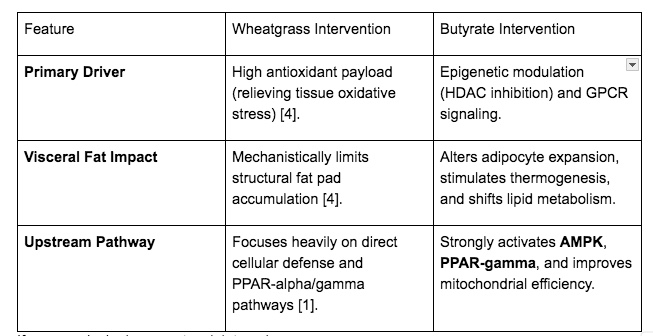
Here is how Human Milk Oligosaccharides (HMOs), Bifidobacteria, breastfeeding, and wheatgrass affect thermogenesis and brown fat in humans:
The Breastfeeding Axis: HMOs, Bifidobacteria, and Infant Thermogenesis
Primarily breastfeeding establishes a unique metabolic feedback loop that directly stimulates non-shivering thermogenesis in infants.
HMOs as the Fuel Source: Human milk oligosaccharides (HMOs) are complex sugars that humans cannot digest. They pass into the large intestine completely intact to serve exclusively as a prebiotic food source for specific beneficial microbes.
The Bifido Connection: Key infant gut bacteria, specifically Bifidobacterium infantis and Bifidobacterium longum, possess specialized transporters to consume HMOs. As they digest HMOs, they produce high volumes of Short-Chain Fatty Acids (SCFAs) like acetate and butyrate, alongside specialized metabolites like aromatic lactic acids.
How this Triggers Thermogenesis: These bacterial SCFAs enter the bloodstream and cross into adipose tissue. Emerging metabolic research demonstrates that these gut metabolites activate receptors on Brown Adipose Tissue (BAT). This upregulates the expression of Uncoupling Protein 1 (UCP1), driving non-shivering thermogenesis. This mechanism is a vital survival asset for human newborns, who rely heavily on brown fat thermogenesis to maintain their core body temperature since they cannot yet shiver efficiently.
The Adult Crossover: HMOs and Bifidobacteria
While the HMO-Bifido axis is most prominent during primary breastfeeding, it continues to impact adults. Clinical trials targeting the adult microbiome with synthetic HMO supplements (like 2′-fucosyllactose) show a marked “bifidogenic effect,” boosting adult Bifidobacterium populations. In adult animal models, introducing strains like Bifidobacterium adolescentis or Bifidobacterium longum protects against diet-induced obesity by upregulating Sirt1 and AMPK pathways, increasing mitochondrial oxidative phosphorylation, and preventing brown fat from transforming into inactive white fat (a process called “BAT whitening”).
Wheatgrass and Diet-Induced Thermogenesis
Wheatgrass (Triticum aestivum) acts on a completely different pathway than the breastfeeding axis, influencing diet-induced thermogenesis and cellular metabolic velocity.
Chlorophyll and Mitochondrial Boost: Wheatgrass is exceptionally rich in chlorophyll. Chlorophyll and its metabolites have been studied for their ability to support mitochondrial biogenesis and optimize the efficiency of the mitochondrial electron transport chain.
Metabolic Rate Acceleration: Consuming concentrated wheatgrass induces a transient spike in diet-induced thermogenesis. The body expends substantial energy to break down its dense matrix of amino acids, enzymes, and compounds. Furthermore, preliminary metabolic studies suggest that phytochemicals in wheatgrass can mildly stimulate the sympathetic nervous system, mimicking a minor cold response to encourage the “browning” of white fat cells into energy-burning beige fat cells.
2021
2023
Functional effects of human milk oligosaccharides (HMOs)
2023
2023
Exploring the relationship between HMOs and infant gut health
2024
2022
2026
2022
2019
2020
2016
Gut Microbiota Cool-Down Burning Fat! The Immune Hypothesis
While the terms nutraceuticals, phytochemicals and bioactives are often used synonymously, it should be noted that phytochemicals are non-nutrient bioactive compounds found in fruits, vegetables and other parts of plants.
Phytochemicals as novel agents for the induction of browning in white adipose tissue
Wheatgrass inhibits the lipopolysaccharide-stimulated inflammatory effect in RAW 264.7 macrophages
Supplement comparison:
How They Compare: Wheatgrass vs. Butyrate
The Difference Between Resistant Starch and HMO’s
What happened when participants stopped consuming the resistant starch?
The benefits completely reversed, and the participants gained the weight back.
Because this landmark study in Nature Metabolism was a crossover trial, it featured a 4-week “washout” period. During this phase, participants who had been taking the 40g daily dose of resistant starch stopped consuming the supplement so researchers could observe what happened.
The data from that period revealed two major findings regarding what happens when you stop:
Metabolic Reversion & Weight Regain
Every single obesity-related measurement including total body weight, BMI, and visceral fat reverted to where it started. The kilograms that the supplement had removed returned as soon as the daily intake stopped. This proved that the weight loss was not a permanent shift, but an active metabolic state maintained entirely by the daily presence of the prebiotic fiber.
The Gut Microbiome Shifted Back
Without the 40 grams of resistant starch arriving in the colon daily to “feed” them, the massive population bloom of Bifidobacterium adolescentis rapidly declined and began shifting back toward the participants’ original baseline. Once the B. adolescentis levels dropped, the production of fat-blocking metabolites ceased, the body’s ability to absorb dietary fat returned to normal, and the metabolic benefits faded.
Essentially, the study highlighted that gut health and its related metabolic benefits require consistent, long-term dietary habits rather than a temporary “cleansing” or short supplement cycle. It also neglected the metabolic benefits of the first diet, meaning it’s not addressing the dysregulated metabolic system and instead relies on a lifetime ‘diet’, a clinical impossibility (world diets vary) that has never been comprehensively or comparatively analyzed apart from calories.
A third of the people in the study didn’t respond to the starch at all.
What the Cold Rice Hack Gets Wrong About Resistant Starch
2024
Resistant starches (RS), unlike rapidly digested control starches (CS), resist breakdown in the small intestine and undergo colonic fermentation to reshape the gut microbiota and drive metabolic benefits. However, following the cessation of the resistant starch supplement during the washout period, body weight, insulin sensitivity, and enriched bacterial populations rapidly revert to baseline levels.
Resistant starch intake facilitates weight loss in humans by reshaping the gut microbiota
The Gold Standard
The World Health Organization (WHO) and UNICEF recognize exclusive breastfeeding as the gold standard for early life because it programs the infant gut microbiota to protect against long-term metabolic dysregulation, significantly reducing the risks of developing childhood obesity and type 2 diabetes later in life. Mechanistically, human milk oligosaccharides (HMOs) selectively fuel the growth of beneficial Bifidobacterium species, which produce short-chain fatty acids that help regulate energy homeostasis, curb pro-inflammatory gut pathways, and promote healthy weight gain trajectories. Conversely, formula feeding alters the infant microbiome in favor of pro-inflammatory taxa and increases gut permeability, which can compromise the metabolic system. According to the World Health Organization Health Topic on Breastfeeding, breastfed children are substantially less prone to diabetes and less likely to become overweight or obese, a protective metabolic lifetime benefit. Breastfeeding and nutrition data is provided by UNICEF Global Nutrition Data, which emphasizes the importance of breastfeeding.
If breastfeeding was the predominant way humans were nourished during infancy for most of human history, then the biology of the breastfed infant represents the historical baseline against which the modern microbiome should be considered….. they are not competing realities and even if they were modern research shows via a distinct marker, that is, bifido presence as to which produces the most beneficial outcome (centenarians) while the other population correlates with the opposite effect, declining lifespans……. even landmark microbiome research (FMT – cause and reverse) does NOT take that SIGNIFICANT baseline into account….. therefore ALL adult diet research should only be conducted on optimal breastfed subjects who are the gold standard for a healthy microbiome and immune system……. until that happens ALL adult diet research is questionable, a mute point and a circular fallacy……in addition research shows that WHATEVER you are consuming, when you stop consuming, you revert back to your particular baseline.
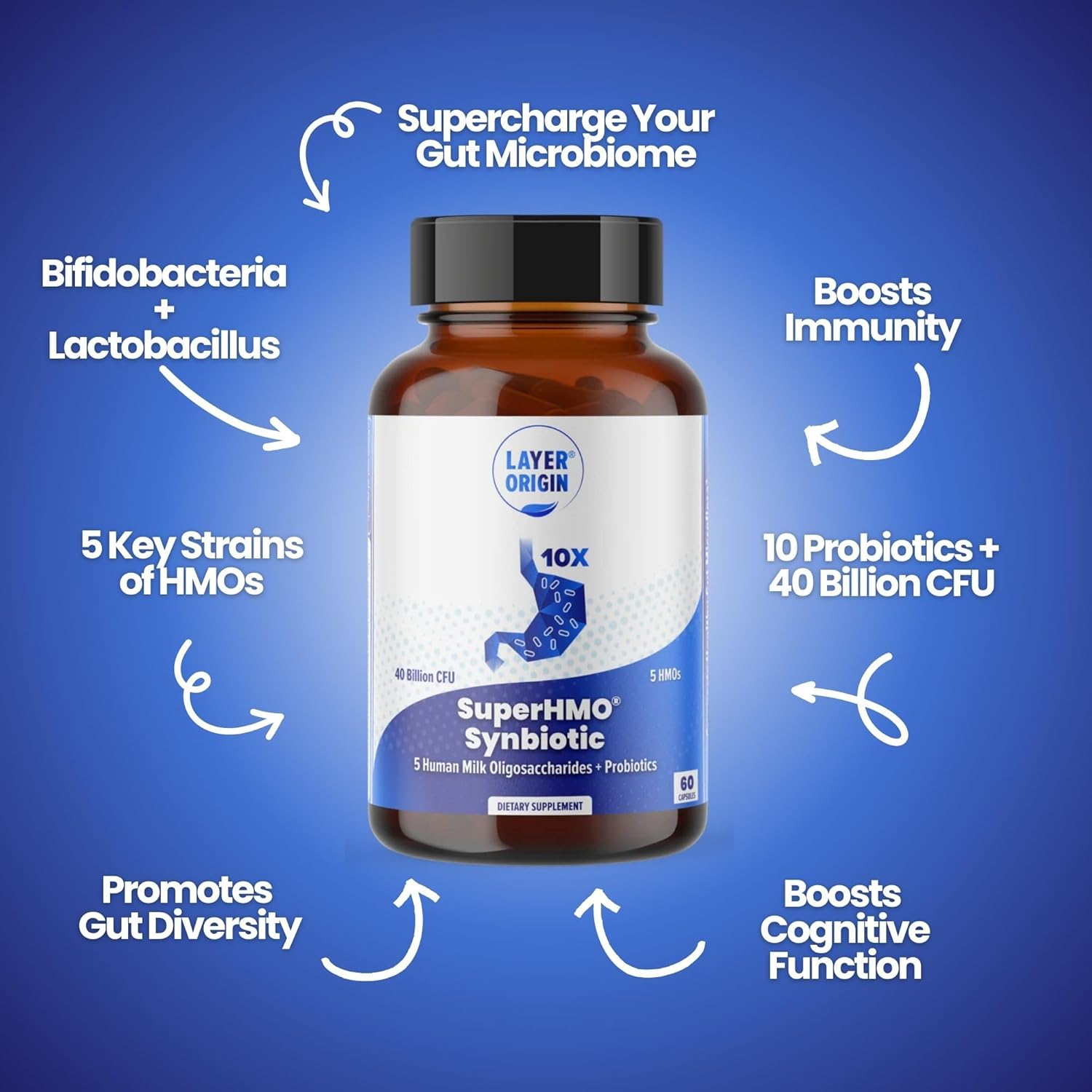
Layer Origins
"Feel better almost immediately I have dysbiosis that has led to SIBO, systemic inflammation, dermatological and joint related issues. On bad flares I get intense joint inflammation and pain to the point of feeling as if I’ve had arthritis for fifty years. Taking this product for just two or three days reverses the inflammation to where I honestly can’t even feel it and my SIBO gas is reduced significantly. This stuff does not make me feel bloated and I can barely tell it is in my shaker" J.