Do Precision Prebiotics Restore Microbial Balance Beyond Infancy?
by Mary Ferrari
“Butyrate provides fuel for colon cells, strengthens the intestinal lining, reduces inflammation, and helps regulate immune function.”
Human Milk Oligosaccharides Beyond Infancy: How 2′-Fucosyllactose May Help Restore the Adult Gut
Human milk oligosaccharides (HMOs) were first thought to benefit only nursing infants, these unique carbohydrates, found naturally in breast milk, help establish a healthy gut microbiome during the first months of life by feeding beneficial bacteria and supporting the developing immune system. Today, researchers are discovering that HMOs may offer important health benefits long after infancy. One HMO in particular, 2′-fucosyllactose (2′-FL), is emerging as a promising nutritional tool for restoring the adult gut microbiome and improving digestive health.
The human digestive tract contains trillions of microorganisms that work together to digest food, produce vitamins, strengthen the intestinal barrier, regulate the immune system, and influence metabolism. When this complex microbial community becomes unbalanced, a condition known as gut dysbiosis develops. Beneficial bacteria decline while less desirable microbes become more abundant, contributing to inflammation and poor intestinal function. Dysbiosis has been linked to irritable bowel syndrome (IBS), inflammatory bowel disease (IBD), obesity, type 2 diabetes, fatty liver disease, and many other chronic health conditions.
Unlike most carbohydrates, 2′-FL is not digested by human enzymes, it passes through the stomach and small intestine intact until it reaches the colon, where it becomes a highly selective food source for beneficial bacteria, especially Bifidobacterium species. These bacteria possess specialized enzymes that allow them to utilize HMOs efficiently, giving them a competitive advantage over harmful or opportunistic microbes.
As bifidobacteria consume 2′-FL, they produce acetate and lactate, which are then used by other beneficial bacteria through a process called cross-feeding and this cooperative relationship ultimately increases production of butyrate, one of the most important short-chain fatty acids in the colon. Butyrate provides fuel for colon cells, strengthens the intestinal lining, reduces inflammation, and helps regulate immune function. Because of these effects, researchers consider 2′-FL both bifidogenic, meaning it stimulates the growth of bifidobacteria, and butyrogenic, meaning it indirectly increases butyrate production.
Researchers wanted to know whether these well-known infant benefits could also help adults suffering from chronic digestive disorders. To answer this question, they performed laboratory fermentation studies using stool samples from healthy adults and from patients with IBS and ulcerative colitis. They also conducted a six-week pilot clinical trial involving adults with chronic gastrointestinal disease.
The laboratory studies produced encouraging results. Adding 2′-FL significantly increased populations of Bifidobacterium in both healthy and diseased microbiomes. Researchers also observed growth of important butyrate-producing bacteria, including Eubacterium rectale and members of the Clostridium coccoides group. Rather than supporting only one bacterial species, 2′-FL appeared to rebuild an entire network of beneficial microorganisms that work together to maintain intestinal health.
These microbial changes also altered bacterial metabolism. Acetate production increased substantially, while butyrate levels rose consistently across the study groups.
This finding is particularly important because individuals with inflammatory bowel disorders often have reduced populations of butyrate-producing bacteria. Restoring butyrate production may help improve intestinal barrier function, reduce inflammation, and create a healthier environment for beneficial microbes.
The human pilot study produced similarly promising findings. Adults with IBS or ulcerative colitis consumed a nutritional formula containing four grams of 2′-FL each day for six weeks. By the end of the study, participants reported improved digestive comfort and better gastrointestinal quality of life. Stool analyses showed significant increases in Bifidobacterium and Faecalibacterium prausnitzii, one of the most beneficial butyrate-producing bacteria found in the human intestine. Fecal butyrate concentrations also increased, confirming that the microbial improvements observed in the laboratory were occurring in living individuals.
Researchers are now exploring whether HMOs can influence health beyond the digestive tract. One recent study investigated lacto-N-tetraose (LNT), another abundant HMO, combined with the probiotic Bifidobacterium animalis subsp. lactis MN-Gup. This combination, known as a synbiotic, pairs a selective prebiotic with a probiotic capable of utilizing it efficiently.
In a mouse model of obesity, the synbiotic consistently outperformed either the HMO or probiotic alone. Treated animals gained less weight despite eating similar amounts of food, suggesting that improvements resulted from healthier metabolism rather than reduced calorie intake. They also demonstrated better blood sugar control, lower cholesterol and triglyceride levels, reduced liver fat accumulation, and improved insulin sensitivity.
The synbiotic also reshaped the gut microbiome. Beneficial bacteria such as Akkermansia, Leuconostoc, and Alistipes increased, while bacteria associated with obesity and inflammation declined. Short-chain fatty acid production, particularly butyrate, also increased, helping strengthen the intestinal barrier and reducing leakage of inflammatory bacterial toxins into the bloodstream.
Although the obesity research was performed in mice and requires confirmation in human clinical trials, it reinforces an important principle. Human milk oligosaccharides continue to influence the gut microbiome long after infancy. Rather than feeding all bacteria equally, HMOs selectively nourish beneficial organisms that have co-evolved with humans since the first mammal diet and the beginning of the food chain. This precision approach helps restore a healthier microbial ecosystem capable of producing metabolites that support digestion, immunity, and metabolic health.
As our understanding of the microbiome continues to grow, HMOs are becoming recognized as much more than infant nutrients. They represent a new generation of precision prebiotics that may help restore microbial balance in adults suffering from chronic gastrointestinal disorders and metabolic disease. While additional clinical studies are still needed, current research suggests that 2′-fucosyllactose and other HMOs could become valuable components of comprehensive gut restoration programs designed to rebuild the microbiome naturally and support lifelong health.
Bovine colostrum improves the intestinal environment
Colostrum contains immunoglobulins, lactoferrin, growth factors, milk oligosaccharides, glycoproteins, and antimicrobial peptides that reduce inflammation and strengthen the intestinal barrier. As intestinal inflammation decreases, conditions become more favorable for anaerobic bacteria that produce butyrate.
Bovine colostrum can shift the microbiome toward butyrate producers
Animal studies have shown that bovine colostrum supplementation increases bacteria associated with short-chain fatty acid production, including members of the families:
Lachnospiraceae
Ruminococcaceae
Faecalibacterium
Roseburia (in some studies)
These are among the major butyrate-producing organisms in the human colon.
Source:
2021
2026
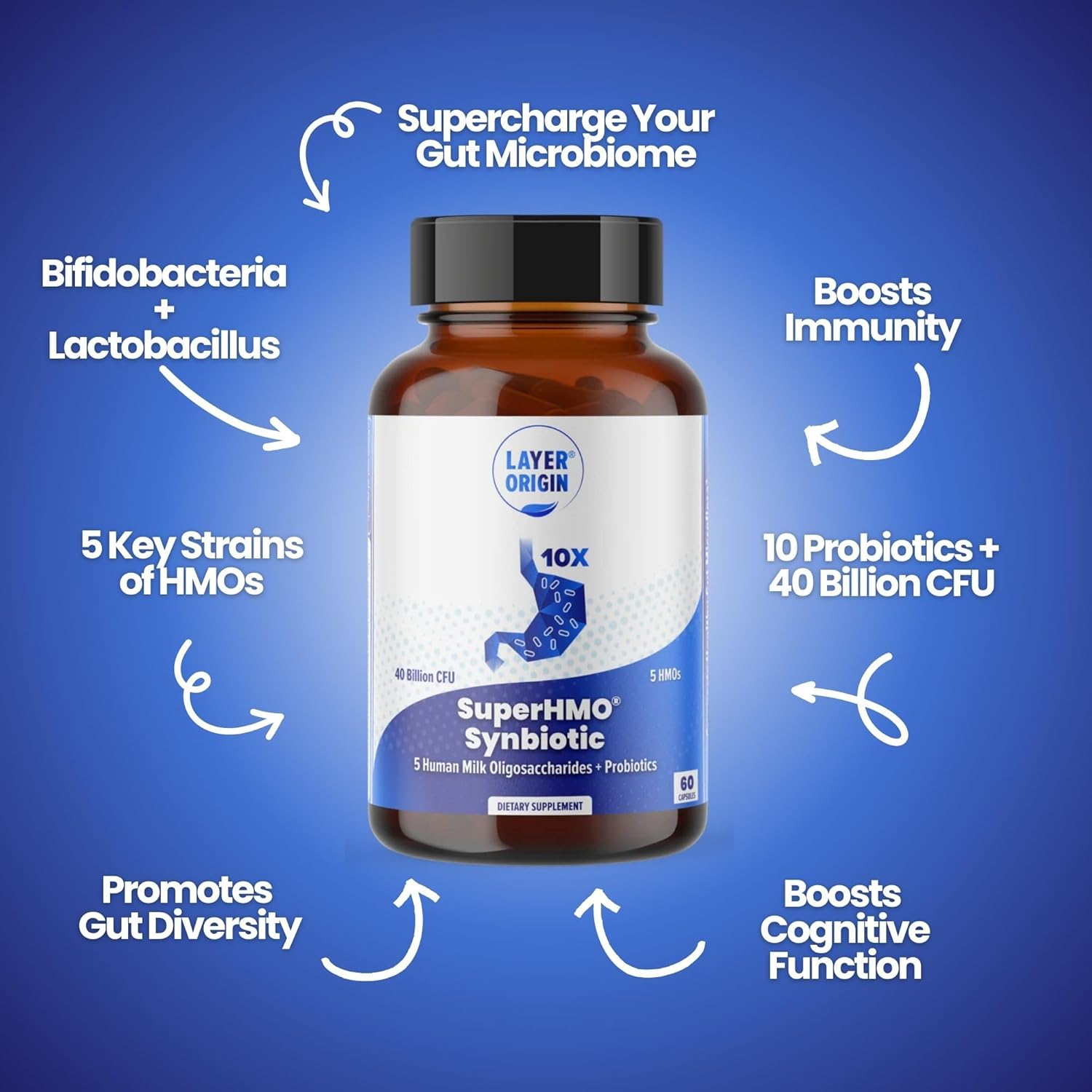
Layer Origins
"Feel better almost immediately I have dysbiosis that has led to SIBO, systemic inflammation, dermatological and joint related issues. On bad flares I get intense joint inflammation and pain to the point of feeling as if I’ve had arthritis for fifty years. Taking this product for just two or three days reverses the inflammation to where I honestly can’t even feel it and my SIBO gas is reduced significantly. This stuff does not make me feel bloated and I can barely tell it is in my shaker" J.